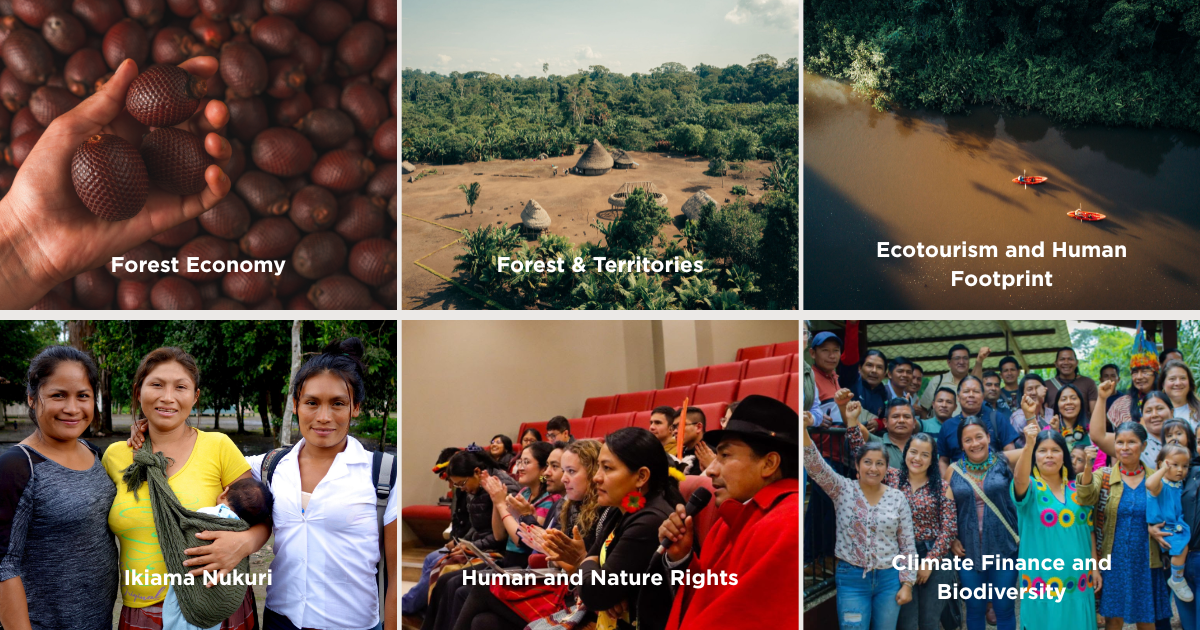
Since 1996, Pachamama Alliance has partnered with the Indigenous peoples of the Sacred Headwaters region of the Ecuadorian Amazon to safeguard the rainforest, defend Indigenous rights, and create resilient models that honor both nature and humanity.
This work is carried out through our sister organization in Ecuador, Fundación Pachamama, who leads six strategic programs rooted in Indigenous leadership and vision.
In the first half of 2025, these programs continued advancing our shared mission with measurable impact in conservation, community well-being, and climate action. Here’s a look at what’s been accomplished so far this year:
Forest Economies: Growing Sustainable Livelihoods

Program Objective: To support and promote bio-enterprises in the Amazon rooted in the sustainable and regenerative use of biodiversity, creating economically viable solutions that enhance community well-being.
Progress in 2025:
- Strengthened value chains of Amazonian products that support fair trade, avoid deforestation, and enhance local economies.
- Recorded 673 agroforestry systems across nearly 300 hectares using the Geographic Information System to ensure long-term monitoring and productivity.
- The first Bootcamp on Sustainable Business Model Design was held as part of the
Pacha Emprende incubation process. A total of 33 ventures from Napo, Pastaza, and
Morona Santiago participated to strengthen their business models and foster support
networks. 30% of the ventures are led by individuals from the Kichwa and Shuar
indigenous nationalities. - 40% people graduated from the first cohort of the Bioeconomy School. The second cohort began in May with 281 people enrolled, showing increased interest.
Forests and Territory: Community-Led Conservation
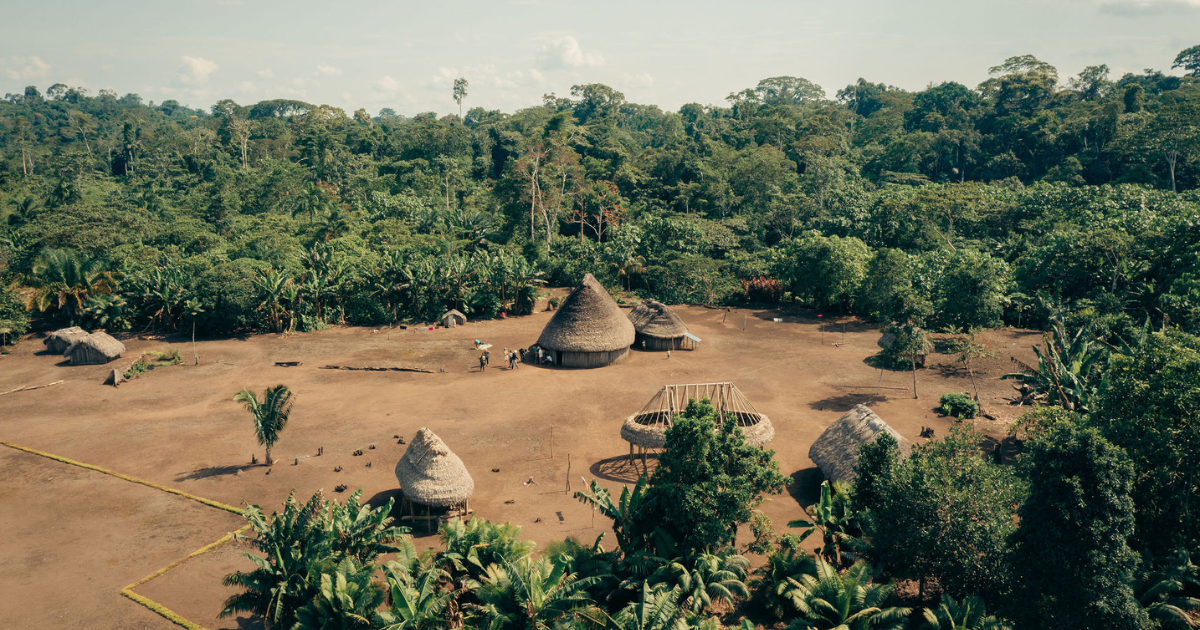
Program Objective: To strengthen the capacity of Indigenous communities and organizations in territorial management, enabling them to defend their lands, exercise self-determination, and conserve biodiversity.
Progress in 2025:
- Invested over $230,000 in conservation agreements since 2021, including $33,000 signed this semester with Wayusentsa.
- Distributed nearly $50,000 in direct community benefits this quarter, supporting health, education, governance, and food security.
- Delivered 40 camera traps, 12 smartphones, and 16 waterproof backpacks to local teams and Kapawi Ecolodge.
- Trained 20 community members in monitoring practices, leading to the registration of 36 species, some vulnerable or endangered.
- Trained an additional 50 people from the Escuela Viva Amazónica on emerging technologies for the conservation of their territories. Technologies have been integrated to create a comprehensive tool for community teams to monitor and report, tools based on artificial intelligence have been developed for data processing.
Ecotourism and Human Footprint: Protecting Culture and Biodiversity
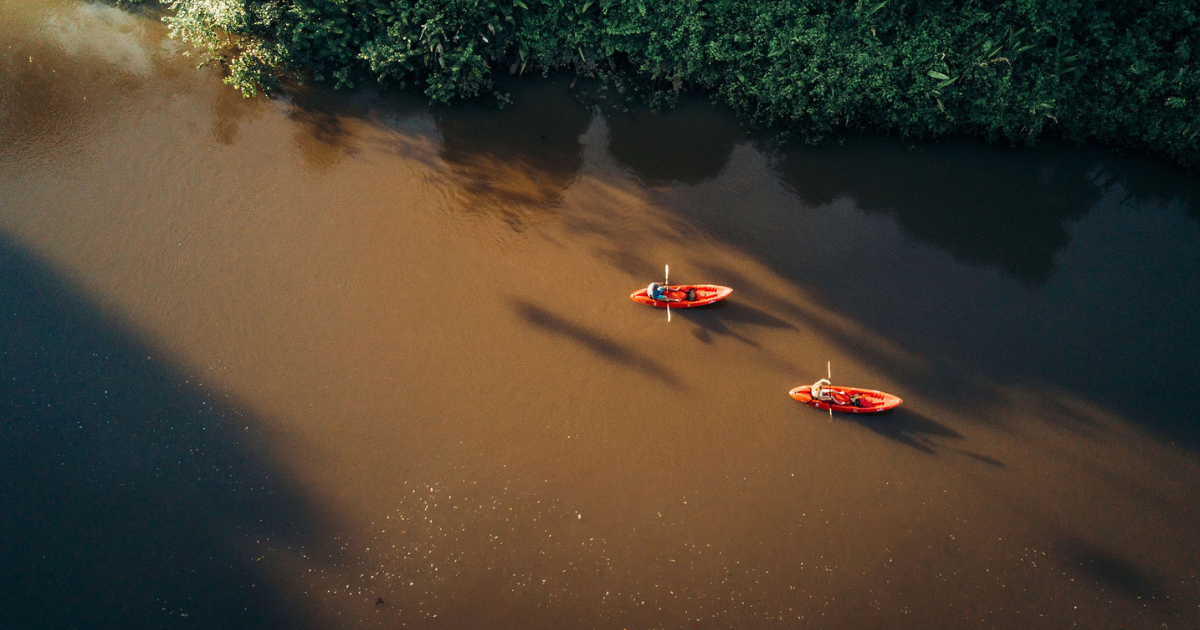
Program Objective: To strengthen Indigenous community-led ecotourism projects while promoting renewable energy, clean technologies, and responsible travel practices that protect territories and cultures.
Progress in 2025:
- The Kapawi Ecotourism Project won the Sustainable and Social Tourism Award of Ibero-America, a prestigious recognition for community-based tourism.
- Installed safe water systems in two communities, Wayusentsa and Shuinmamus, located in the lower Pastaza region, improving health and resilience of Indigenious communities.
- Hosted three Pachamama Journeys with 30 participants; 75 participants expected by year’s end.
Ikiama Nukuri: Women’s Health, Women’s Power
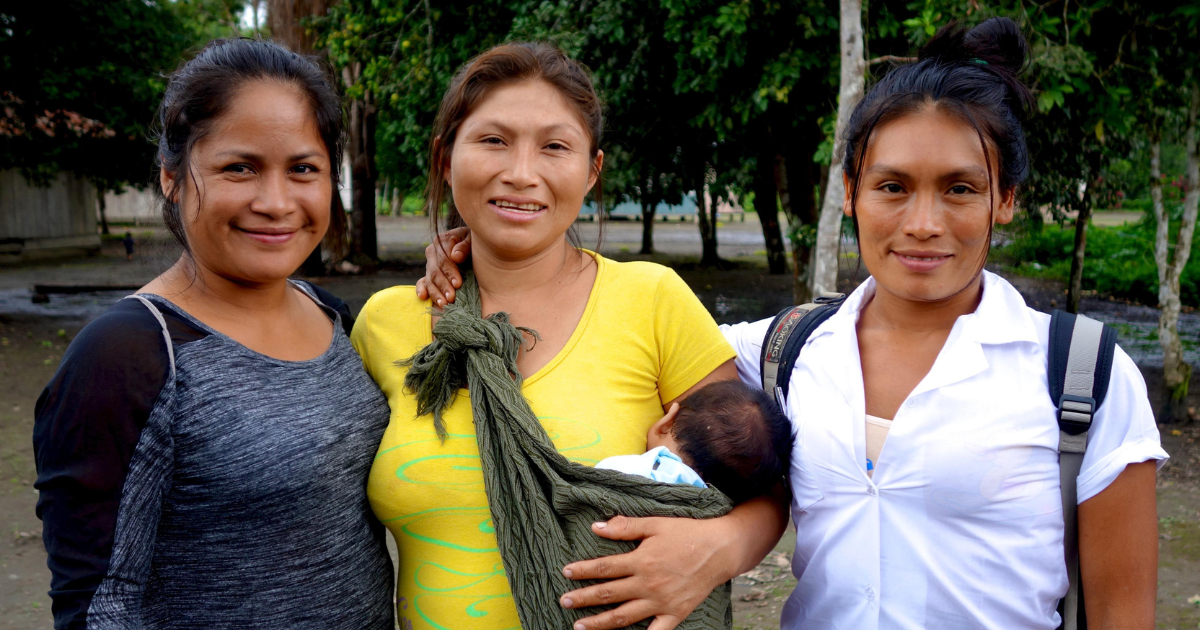
Program Objective: To train Indigenous women as community health promoters and midwives, improving maternal, infant, and reproductive health while strengthening women’s leadership and collective voices.
Progress in 2025:
- Responded to a leptospirosis outbreak, supporting 192 cases across 37 Achuar and Shuar communities in partnership with the Ministry of Health.
- Supported 51 births with culturally appropriate maternal care.
- Distributed 238 childbirth kits to families in Indigenous communities.
- Carried out follow-up visits with Shuar midwives in Patunmai and Pumpuentsa to strengthen traditional health practices.
- Hosted a youth workshop for 80 students on identity, racism, gender-based violence, and sexual education, funded by UNDP.
Human and Nature Rights: Defending Rights, Strengthening Voices
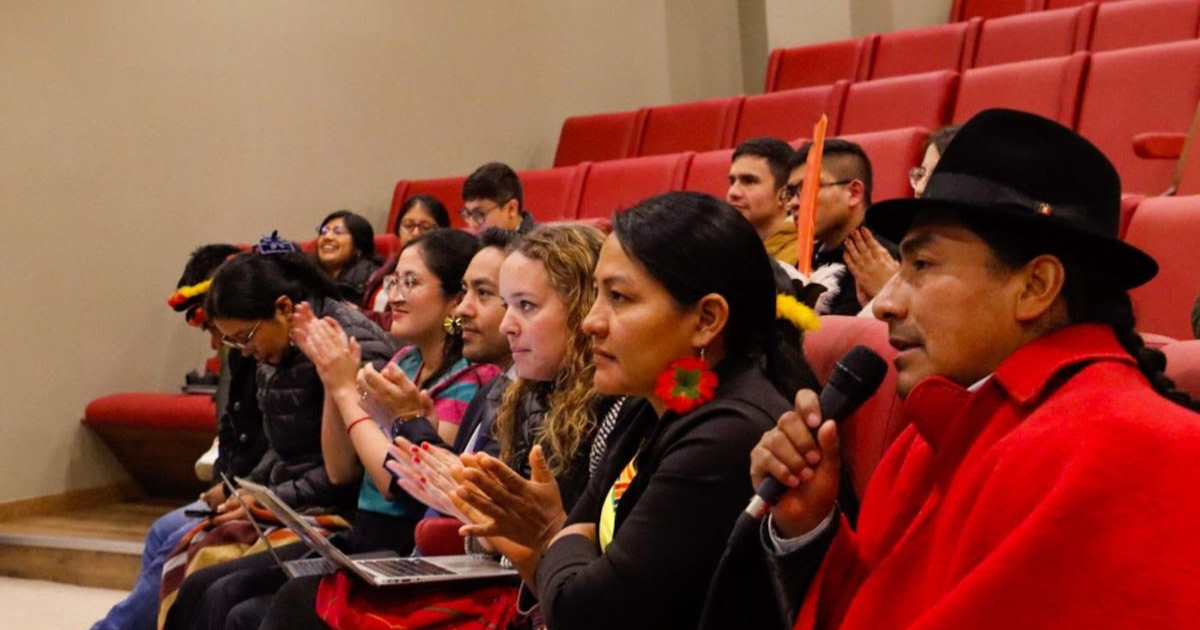
Program Objective: To promote and defend human rights and the rights of nature through advocacy, legal strategies, education, and communication at national and international levels.
Progress in 2025:
- In a landmark decision, the Inter-American Court of Human Rights ruled in Indigenous Peoples Tagaeri and Taromenane v. Ecuador that the Ecuadorian state is responsible for violating the rights of Indigenous Peoples living in voluntary isolation. This historic ruling affirms the obligation to protect their lives, territories, and right to self-determination.
- Co-hosted the First Gathering of Indigenous Women Jurists and Defenders of the Rainforest in Sarayaku, bringing together Indigenous women leaders and legal advocates across Latin America.
- Launched the Escazú Agreement Observatory and facilitated co-creation roundtables in Pastaza for citizen-led environmental initiatives.
- Organized the second Spokeswomen Program, training 25 young Indigenous women on environmental justice, corruption, and territorial defense.
Climate Finance and Biodiversity: Influencing Policy for the Amazon
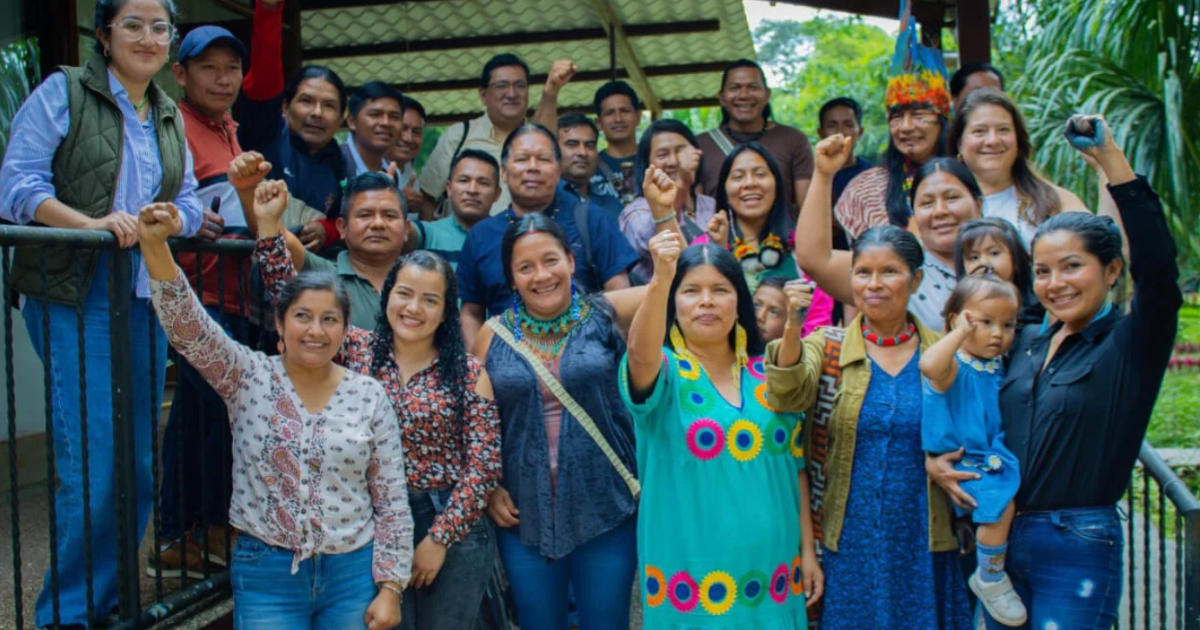
Program Objective: To ensure climate finance policies respect Indigenous rights and the rights of nature, while supporting local communities to access and shape climate funding opportunities.
Progress in 2025:
- Hosted workshops on gender and climate change and climate finance challenges and opportunities, engaging over 40 participants.
- Represented the Amazon at the UN Financing for Development Conference (FFD4) in Seville, amplifying Indigenous voices in global finance debates.
- Participated in the Schwab Foundation Summit 2025 and Protection International General Assembly 2025, strengthening global advocacy for Indigenous rights and defenders.