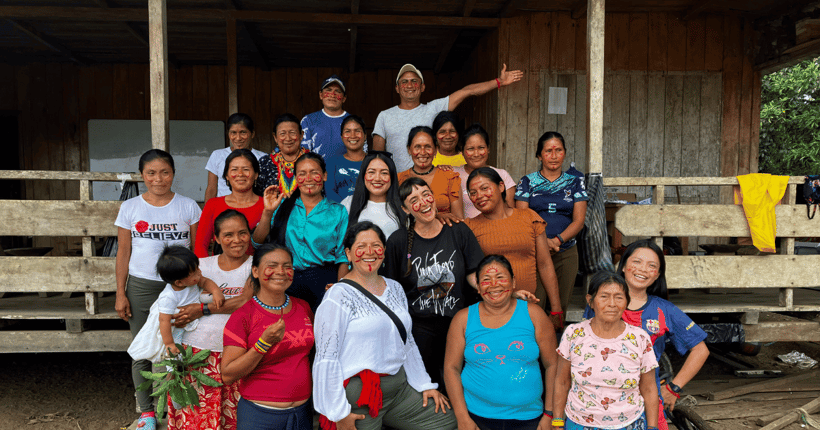
 Fourteen traditional midwives from the Shuar, Achuar, and Kichwa nationalities celebrate completing their third level of training in Sharamentsa.
Over the years, our Indigenous partners have taught us that protecting the forest also means caring for the people who protect it. One of the clearest expressions of that commitment is Ikiama Nukuri, which translates to “Women Keepers of the Forest” in the Achuar language. Since 2006, this intercultural health program, led by our sister organization Fundación Pachamama, has supported Indigenous women in improving maternal, infant, and reproductive health across Achuar and Shuar territories. The program has accompanied more than 2,000 pregnancies and delivered over 5,000 safe birth kits, work made possible in part by our global community of supporters.
Today, we’re proud to share a milestone from the program. In the Achuar community of Sharamentsa, 14 traditional midwives from the Shuar, Achuar, and Kichwa nationalities recently completed their third level of midwifery training, held September 13-22, 2026. Over 10 days and 105 hours of learning, hands-on practice, and knowledge exchange, these women strengthened their skills to care for mothers and newborns in their communities.
Why Midwives Matter in the Amazon
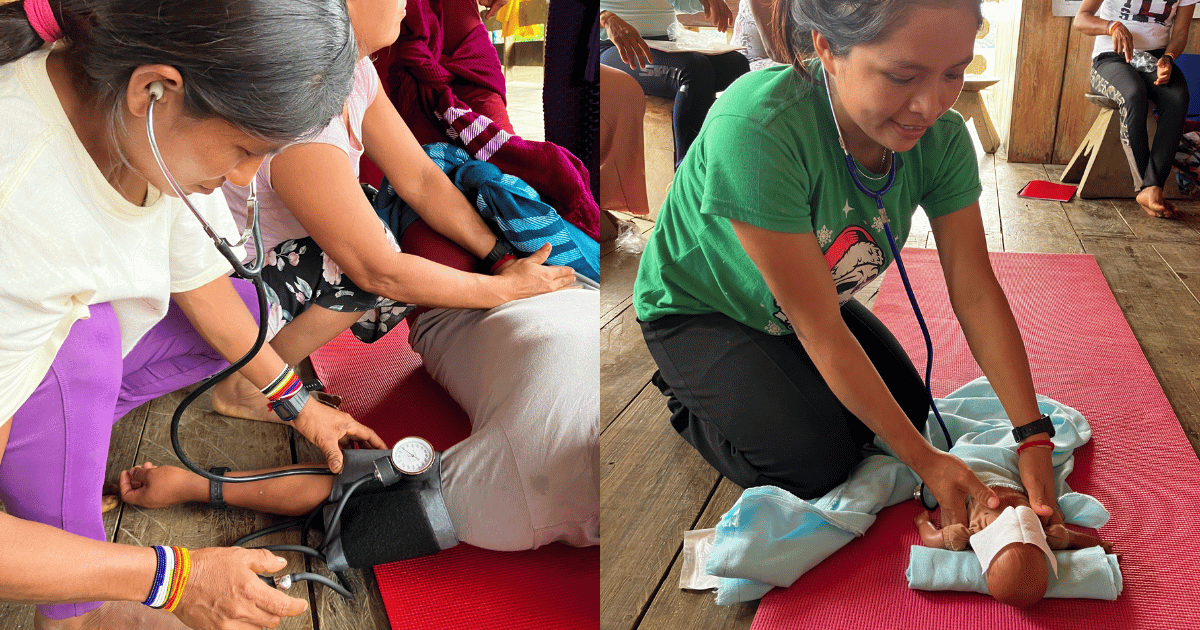 Hands-on training helps Indigenous midwives prepare for safe, healthy births.
In the Amazon, a health center can be days away by river or reachable only by small plane, which makes pregnancy and childbirth especially risky. Traditional midwives are often the first, and sometimes the only, source of care a mother has.
They are also guardians of ancestral knowledge. Their practices, passed down through generations, carry cultural identity and a deep understanding of the body, the forest, and community life.
During this training, participants learned to recognize warning signs during pregnancy and childbirth, respond to obstetric emergencies, and know when and how to connect mothers with the public health system. Throughout, the training fostered a meaningful dialogue between ancestral wisdom and contemporary medicine, honoring the value each brings.
Caring for Life, Protecting the Amazon
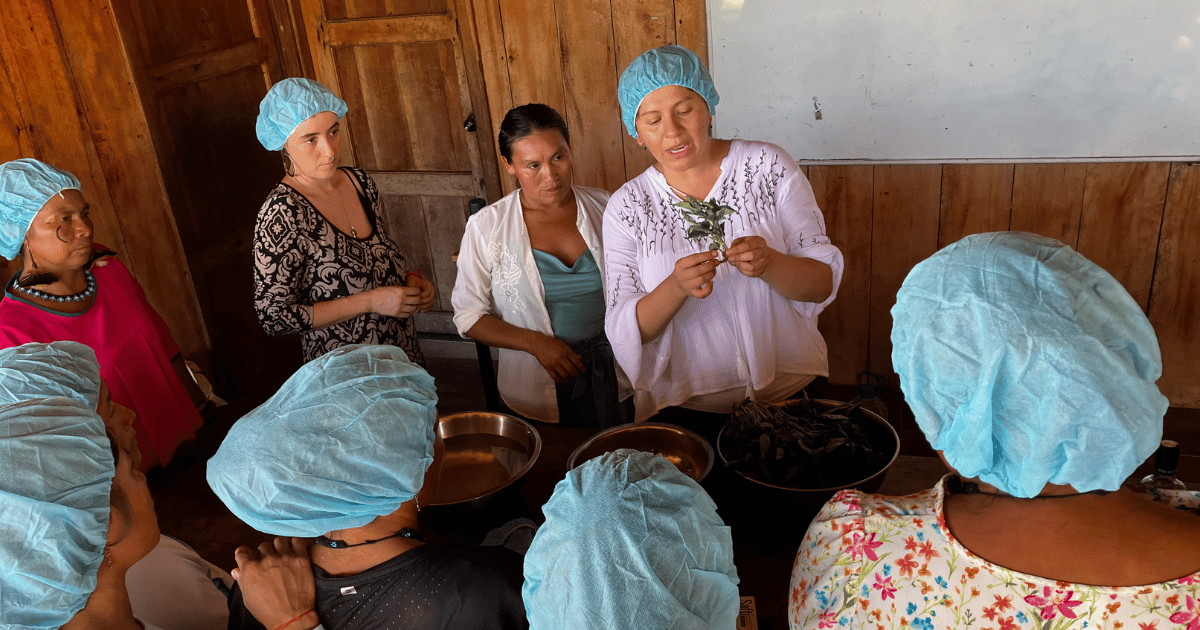 Participants explore medicinal plants that have long supported mothers and newborns in their communities.
Ikiama Nukuri recognizes Indigenous women as leaders in the health and well-being of their communities. By strengthening their knowledge, skills, and voices, the program helps build a model of maternal care that respects cultural identity, supports community autonomy, and reflects the realities of life in the Amazon.
For Pachamama Alliance and Fundación Pachamama, this work is part of protecting the rainforest itself. Caring for the Amazon means supporting the health, dignity, and cultural heritage of the Indigenous peoples who have stewarded these territories for generations, and ensuring their ancestral knowledge is passed on to those who come next.
When midwives are strong, families are strong. And when Indigenous communities thrive, so does the rainforest they protect.
Meet the Women Keepers of the Forest
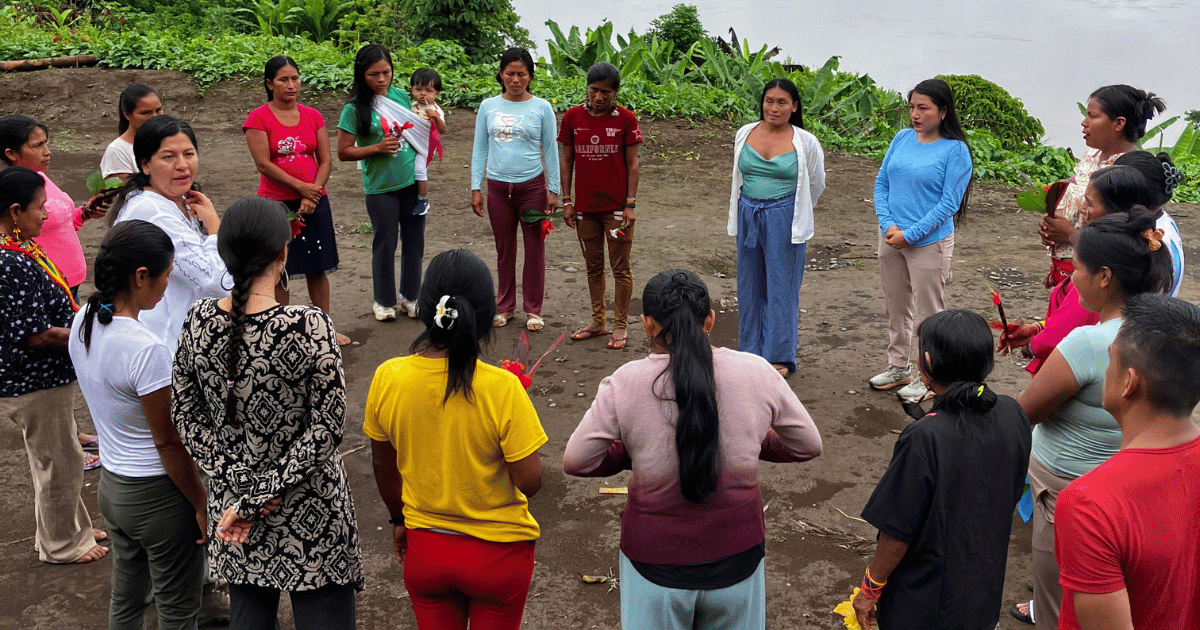 The Achuar community of Sharamentsa in the Ecuadorian Amazon where the midwifery training took place.
In March 2027, a small group will have the rare opportunity to witness this work firsthand. On our Women Keepers of the Forest Journey (March 13–22, 2027), participants will spend 10 days immersed in the wisdom, resilience, and leadership of Achuar women. They will meet the women transforming maternal health, strengthening their communities, and protecting the culture and forests of their people.